

Searching for Jesus in Ancient Manuscripts
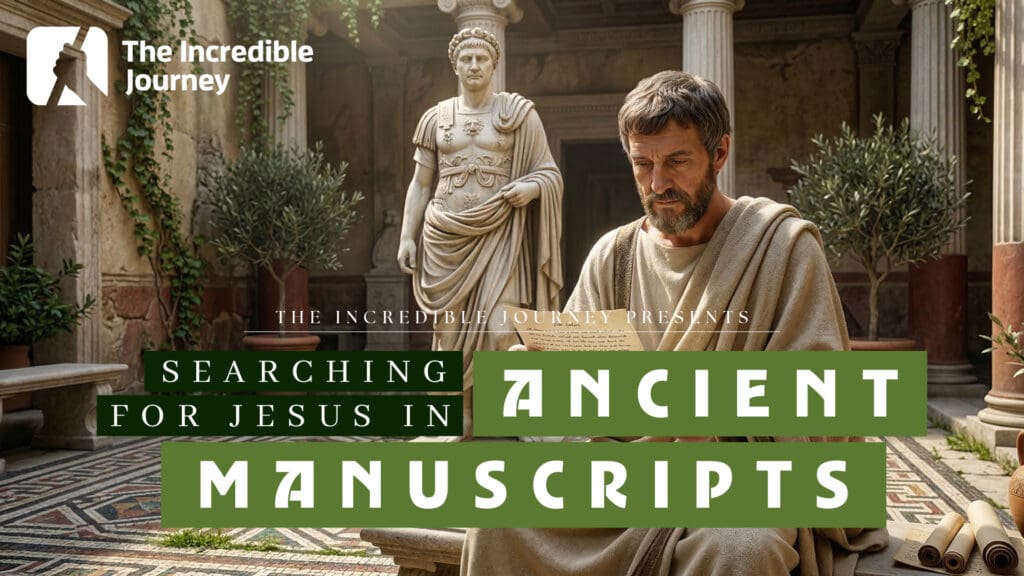
In this program, we’ll investigate the historical evidence for His existence, asking whether the millions of pilgrims who journey to Bethlehem, Nazareth, Galilee, and Jerusalem’s Via Dolorosa are following the path of a man who truly lived in this land 2,000 years ago.
Salt of the Earth

One of the world’s greatest explorers and adventurers was Marco Polo, who travelled extensively throughout China and Southeast Asia, before returning to Venice around 1291 with a hoard of wonderful items never before seen. Things like silk, paper money, gunpowder and porcelain – and salt!
The First Great American Road Trip
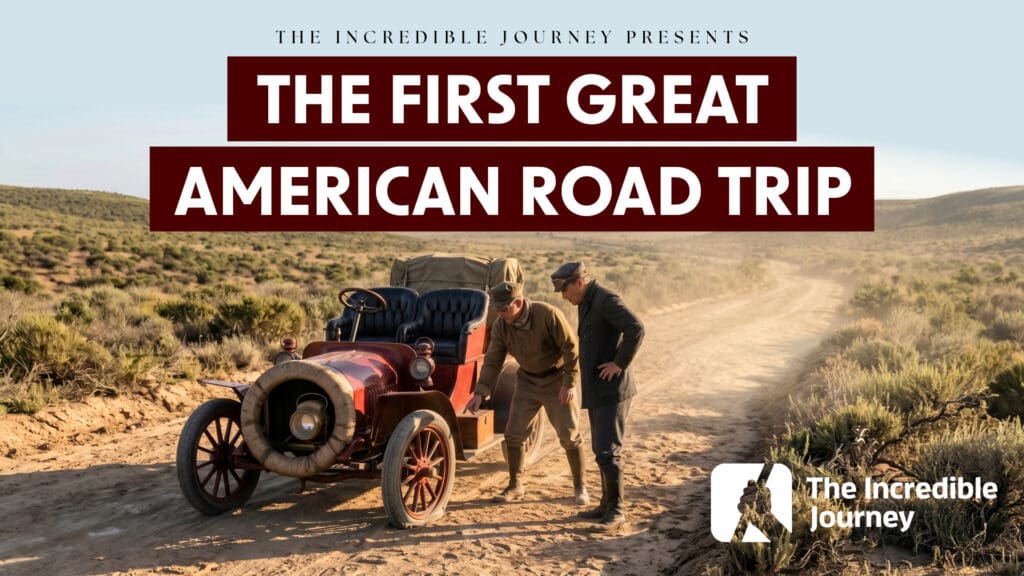
In 1903, America had only 150 miles of paved roads, no gas stations, and no highway maps. Crossing the continent by car was deemed impossible until Dr Horatio Nelson Jackson accepted a casual $50 bet to prove the sceptics wrong. Alongside mechanic Sewall K. Crocker and a goggle-wearing pit bull named Bud, Jackson embarked on a gruelling, breakdown-riddled, 63-day journey that changed transportation history forever.
Kamikaze – The Final Countdown
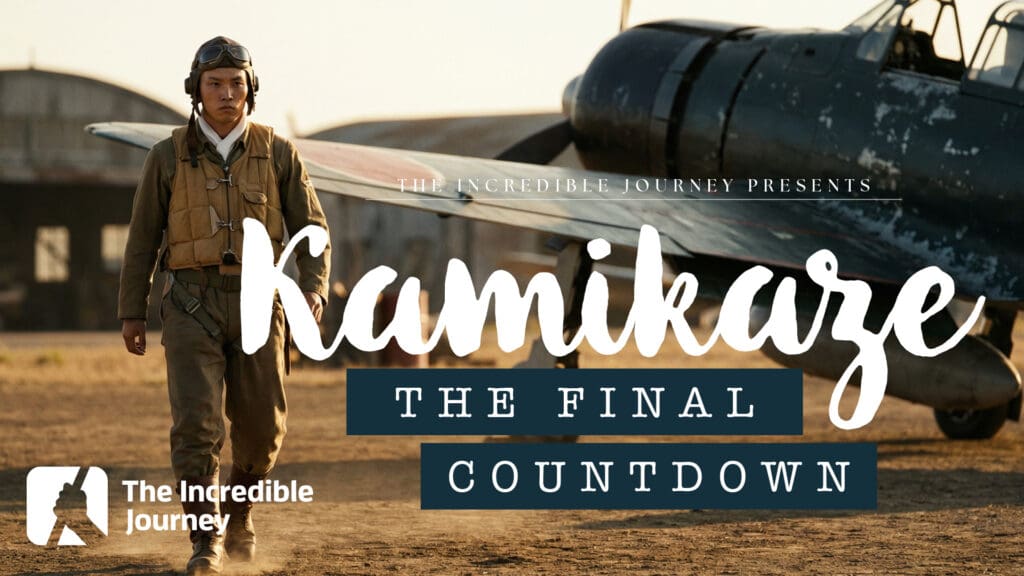
This program follows the extraordinary story of the Japanese Kamikaze pilots of World War II. At 7:25 am on 25 October 1944, just five days after the Kamikaze Corps was formed, Lieutenant Yukio Seki took off from this very location on the first official Kamikaze attack mission. Three hours and twenty minutes later, at 10:45 am, his unit reached enemy targets in the Gulf of Leyte. Seki was the first to strike. He deliberately dive-bombed his plane into the American aircraft carrier USS St. Lo, triggering a massive explosion that blew the ship apart. The USS St. Lo sank just 20 minutes later. War historians regard Lieutenant Yukio Seki as the world’s first official human bomb.
Al Capone – American Gangster

Al Capone, a name that still echoes through the annals of American crime history, was one of the most notorious gangsters of all time. Born in 1899 to Italian immigrant parents in Brooklyn, New York, Alphonse Gabriel Capone rose from humble beginnings to become the kingpin of organised crime in Chicago during the Prohibition era.
Abraham | Friend of God – PART 4: The Legacy
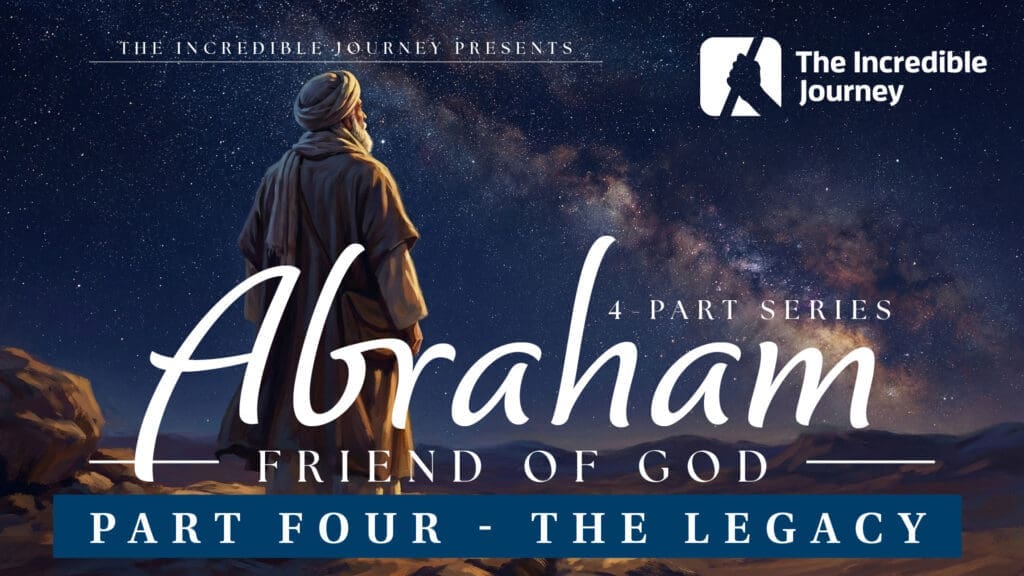
We see the legacy and hope of Abraham. Faced with the death of his beloved Sarah, Abraham purchases his first property in Canaan. Looking to safeguard the promise, he sends his trusted servant Eliezer on a crucial mission to find a wife for Isaac. Watching his children and grandchildren during his final years, he finds his contentment as he looks down through history to the promised Offspring Who would fulfil all the Covenant promises.
Abraham | Friend of God – PART 3: The Crisis
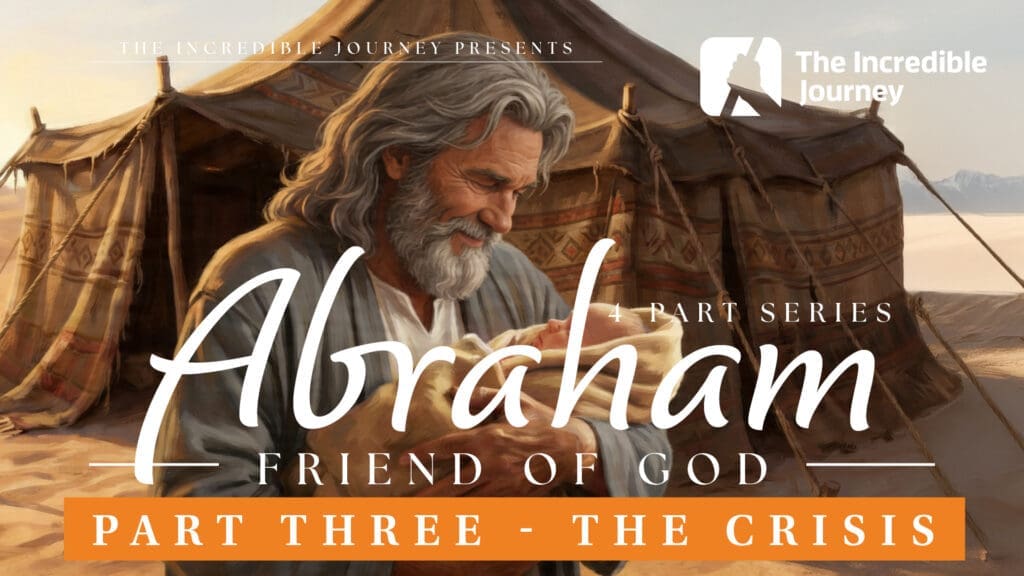
Finally, the promised child, Isaac is born. Although the birth of Isaac brings incredible joy, it also leads to tensions in the home leading to another parting. Just when Abraham sees all that he has hoped for, he faces his biggest crisis, he is asked to make an unspeakable sacrifice of all that he has hoped for. Will he place his trust in God?
Abraham | Friend of God – PART 2: The Covenant
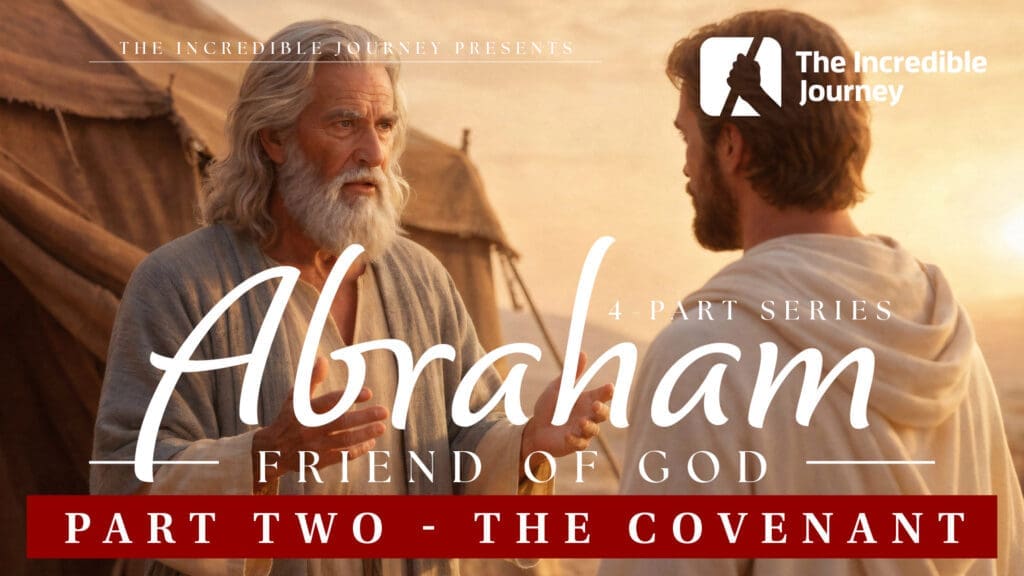
We observe the painful impact of trying to accomplish God’s plans with human wisdom. Frustrated at the seeming impossibility of God’s promises, Sarai hatches a plan to use her maidservant as a surrogate. As drama is introduced to the family, God will repeat His promises with new symbols and new names. Abram and Sarai will become Abraham and Sarah. They will take these new identities as they approach their destiny as the parents of promise.
Abraham | Friend of God – PART 1: The Call
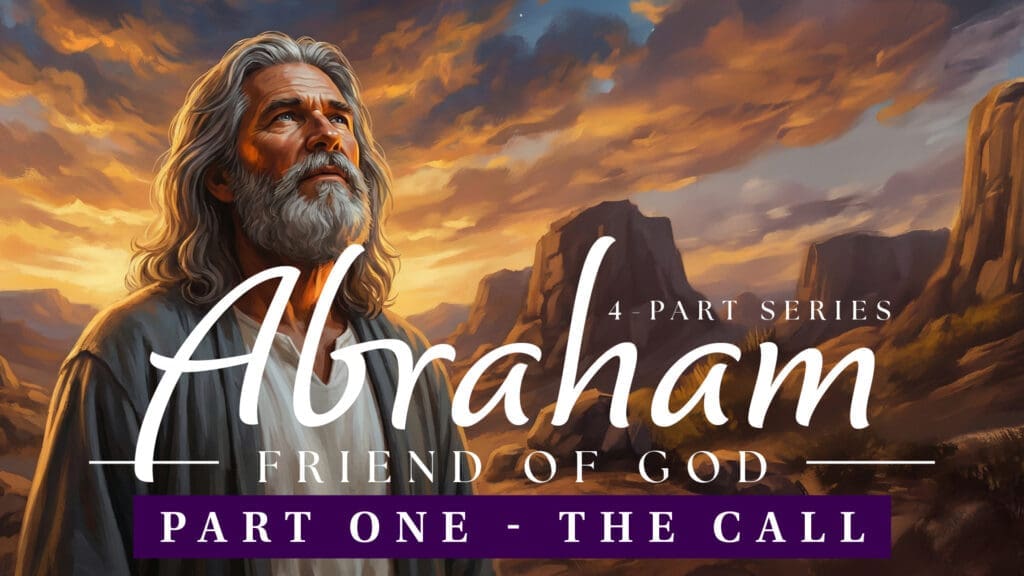
Abram leaves Ur at God’s call, stepping into the unknown and receiving promises of land, descendants, and blessing for all nations. His journey takes him through famine in Egypt, conflict with Lot, rescue missions, and encounters with Melchizedek, ending with God confirming His covenant of land and countless descendants under the stars.
Five Shipwrecks and a Mother’s Love
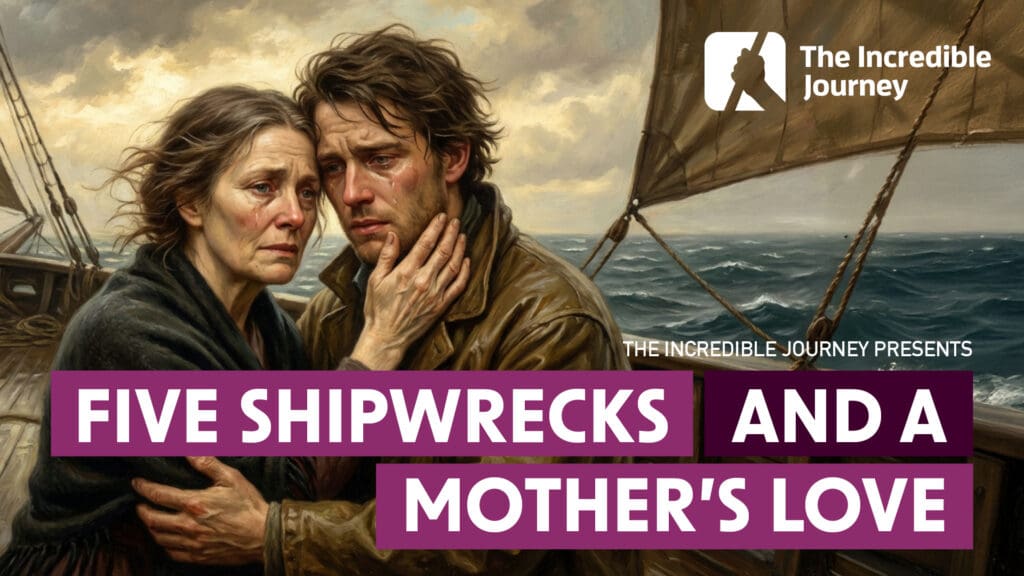
It is estimated that around 3 million shipwrecks lie on the ocean floors worldwide. Over 8,000 of them are located in Australian waters. One of these wrecks, discovered by the Australian National Maritime Museum in 2009, carries an extraordinary story. It involves escaped convicts, the first circumnavigation of Australia, the discovery of two major rivers, surprising links to Napoleon, and a dramatic rescue and reunion. But the tale doesn’t end there. This shipwreck is connected to a series of four other wrecks, all part of one of the most remarkable family reunions in history.